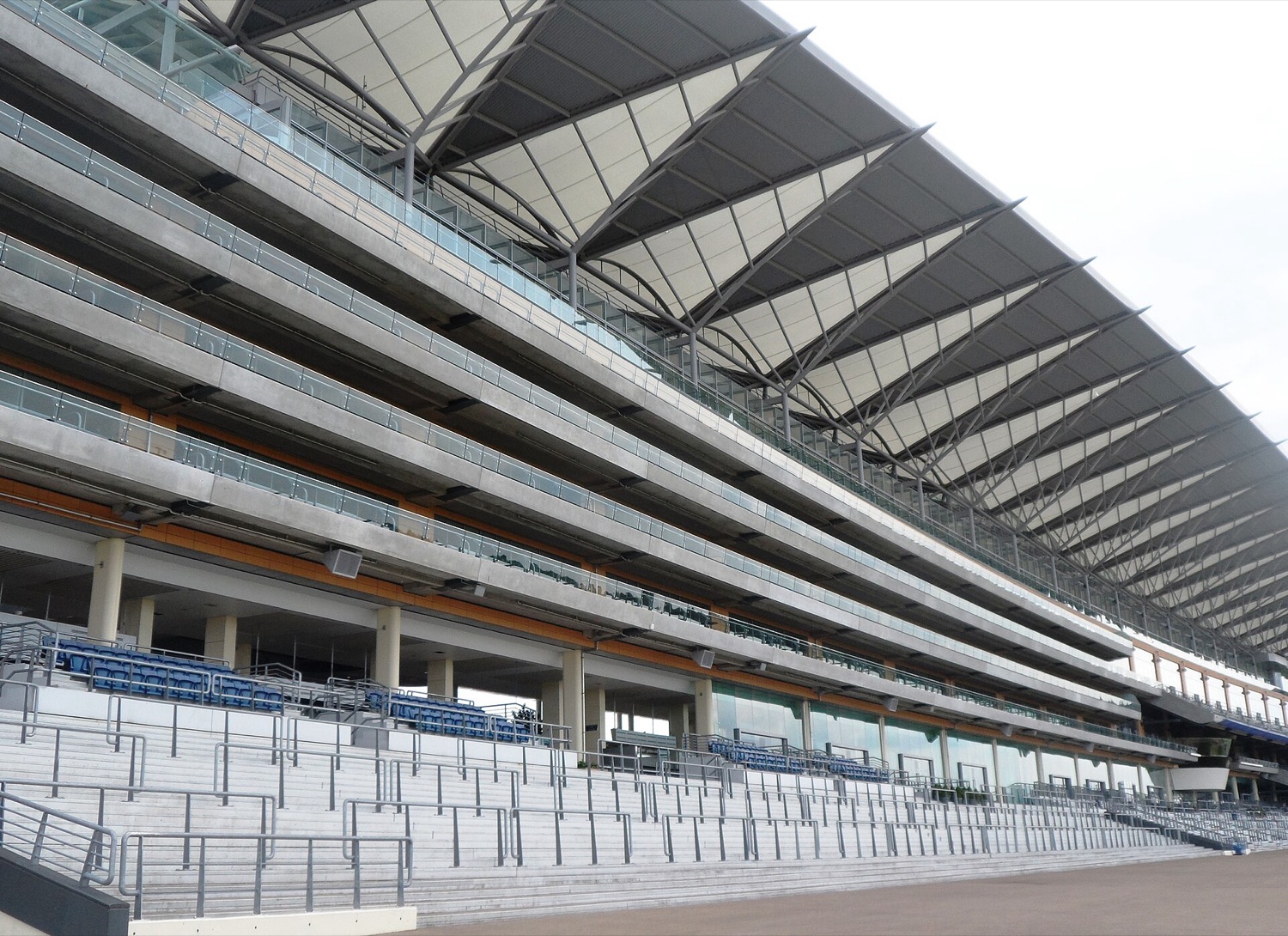
British racing offers two very different style experiences. Royal Ascot in June is morning dress, top hats and the most famous dress code in sport. The Cheltenham Festival in March is tweed, wellies and roaring crowds. Both are among the biggest betting weeks of the year.
Royal Ascot: dress by enclosure
Ascot publishes a style guide each year, and the rules depend on which enclosure your badge or ticket covers. Recent guidance for gentlemen has been along these lines; check the official guide before you go, because details change.
| Enclosure | Gentlemen | Notes |
|---|---|---|
| Royal Enclosure | Morning dress in black, grey or navy, with a waistcoat and tie, a black or grey top hat and black shoes | Bow ties and cravats are not permitted |
| Queen Anne Enclosure | A full-length suit with matching jacket and trousers and a tie, or morning dress | Checked at the enclosure entrance |
| Village Enclosure | Similar to Queen Anne: suit and tie | A livelier, festival-style area |
| Windsor Enclosure | No formal dress code, but smart dress is encouraged | Jacket and tie are a good idea |
Enforcement happens at each enclosure's entrance, so a ticket that gets you into the course will not get you past the Royal Enclosure rope if you are wearing the wrong thing.
Cheltenham: country style
The Cheltenham Festival, four days of jump racing in March that build up to the Gold Cup on the final day, has no formal dress code. But it has a strong tradition. Expect tweed three-piece suits and jackets, flat caps and trilbies, wax or wool overcoats, and sturdy boots for wet ground. It is the ideal place for the trilby and the outdoor clothes in our winter essentials guide. Dress in layers: March in the Cotswolds can bring sun, sleet and wind in a single afternoon.
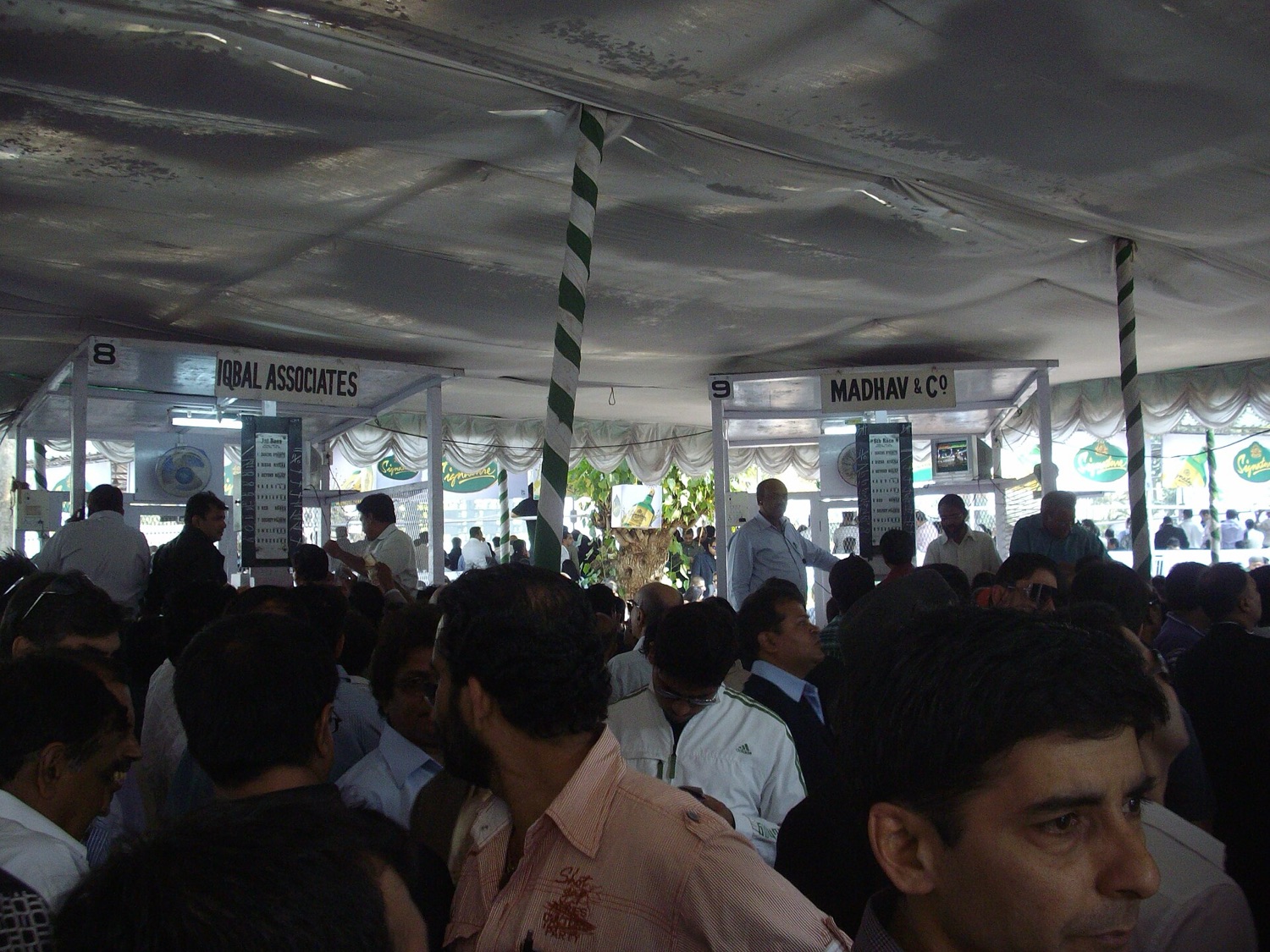
How betting at the races works
The betting ring
On course, independent bookmakers set up their pitches in the betting ring. Each one displays odds on a board, and the prices move as money comes in. When you bet with a bookmaker, you usually take the price on the board at that moment, and that is the price you are paid at if your horse wins. Shopping around between pitches for the best odds is part of the fun.
Starting price
The starting price, or SP, is the official price of each horse when the race starts, compiled from the on-course market. Bets placed "at SP" are settled at that price, whatever it was when you placed them.
The Tote
The Tote works differently. It is pool betting: all the money staked on a race goes into a pool, a percentage is deducted, and the rest is shared among the winning tickets. You do not know your exact return until the race is over and the dividend is declared. In 2019 Britain's Tote passed to the UK Tote Group, a racing-backed consortium, ending Betfred's period of exclusive ownership. The Tote is famous for multi-race bets such as the Placepot, in which you pick a horse to place in each of the first six races.
Each way
An each-way bet is two bets in one: one on the horse to win and one on it to place, paid at a fraction of the win odds. The number of places paid depends on the size of the field and the type of race.

Style tips for a winning day
- Wear comfortable shoes: you will walk between the paddock, the ring and the stands all day.
- Inside pockets matter for betting slips and cash.
- Bring a waterproof. No one looks good soaked.
- At Ascot, have your morning suit tailored or hired early; the best hire stock goes weeks ahead.