For many men, especially those buying their first expensive suit, the idea of a custom suit is new territory. Most of us know what "tailored" means in general. Fewer know that buying a suit and having it altered is a very different thing from having one made for you.
Three routes to a suit that fits
| Route | How it works | Typical fittings |
|---|---|---|
| Off the peg, altered | A ready-made suit adjusted at sleeves, hem and waist | One |
| Made-to-measure | A standard pattern adapted to your measurements and preferences, factory-made | One or two |
| Bespoke | A pattern drafted from scratch for your body, cut and largely sewn by hand | Usually several |
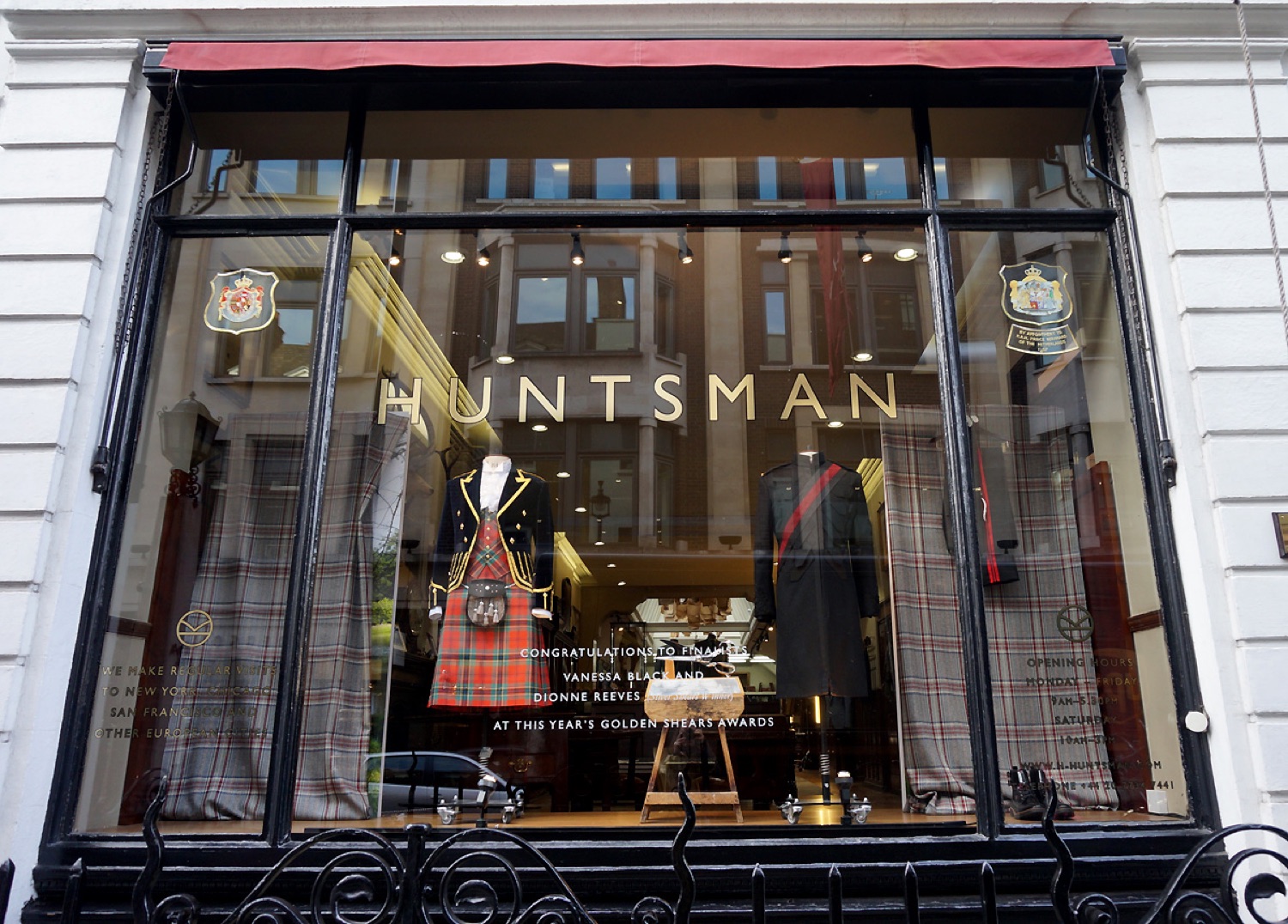
On Savile Row, true bespoke means a paper pattern cut for one customer and a jacket built up through basted fittings. Members of the Savile Row Bespoke Association follow standards that involve a great many hours of handwork per suit. Made-to-measure is far cheaper and often very good, but it starts from a block pattern rather than a blank sheet.
Step one: the fabric
Choosing the cloth comes first, because it decides both the character of the suit and much of its price. A good tailor will show you books of options at different prices.
- Weight: around 240 to 280 grams per metre suits warm rooms and summer; 300 grams and up drapes better and lasts longer.
- Weave: plain worsted for business, flannel for winter, fresco or hopsack for travel and heat, a little texture to hide creases.
- "Super" numbers describe how fine the wool fibre is. Higher is softer but more delicate; for a first suit, a sturdy, moderate number is wiser.
- Colour: navy first, charcoal second. Both work everywhere.
Step two: the measurements and the fit
A good tailor will take many more measurements than you expect, and will look at your posture: a dropped shoulder, a forward neck, the way you stand. Tell them how you like a suit to feel. Do you want a slim cut, a strong shoulder, a softer Neapolitan look, trousers with a break or without? Bring a jacket you love so they can see what you mean.
Step three: the details
- Lapels: notch for business, peak for something bolder.
- Construction: a canvassed chest moulds to your body over time; fused jackets are stiffer and cheaper.
- Buttons, vents and pockets: two buttons and double vents are the safe, flattering choice.
- Lining: a place to have fun, as no one sees it unless you want them to.
The second suit: one for the night
Once you own a well-cut navy suit, the next commission many men make is a dinner suit. A tailored midnight-blue or black dinner suit covers black-tie weddings, galas and the grandest casino nights, from the private salons of Monte Carlo to the Kurhaus in Baden-Baden, where a jacket is required for the classic tables. If you want to know what the rooms actually ask for, read casino dress codes decoded; for inspiration, see the James Bond casino wardrobe. Finish it with a white silk pocket square in a straight fold.
Whatever your budget, judge a suit by the shoulders and the collar. If the collar sits on your shirt and the shoulder ends where yours does, almost everything else can be fixed.